“Engage with things that someone put a lot of work into.”
by Melissa Kirsch, New York Times
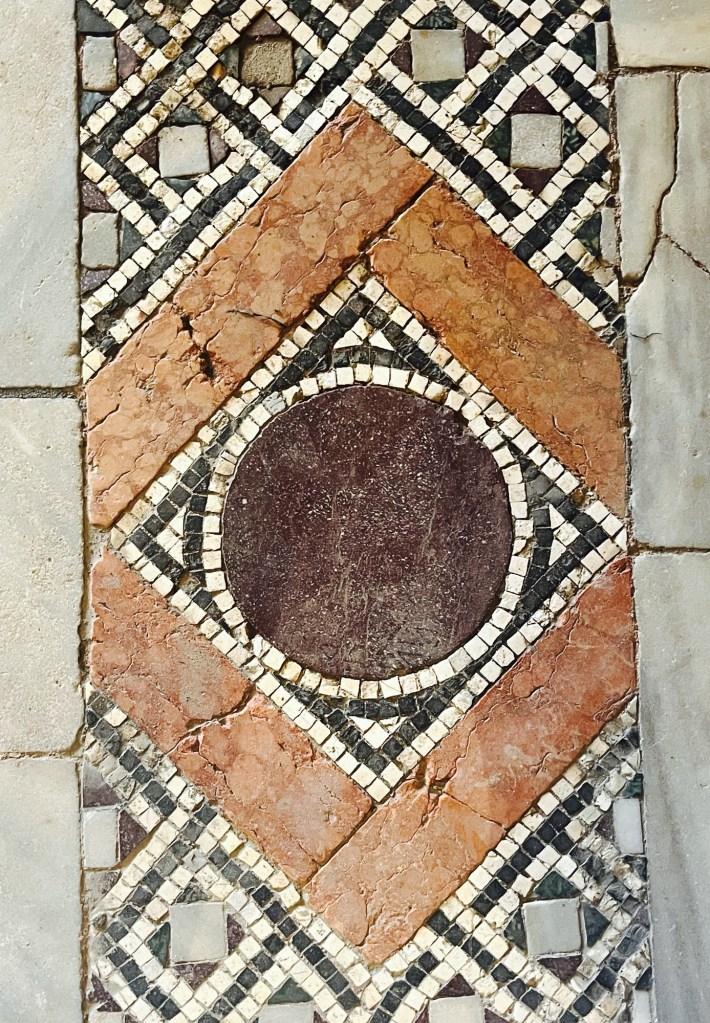
“Engage with things that someone put a lot of work into.”
by Melissa Kirsch, New York Times
“Observance of the soul can be deceptively simple. You take back what has been disowned. You work with what is, rather than with what you wish were there.”
Thomas Moore, Care of the Soul
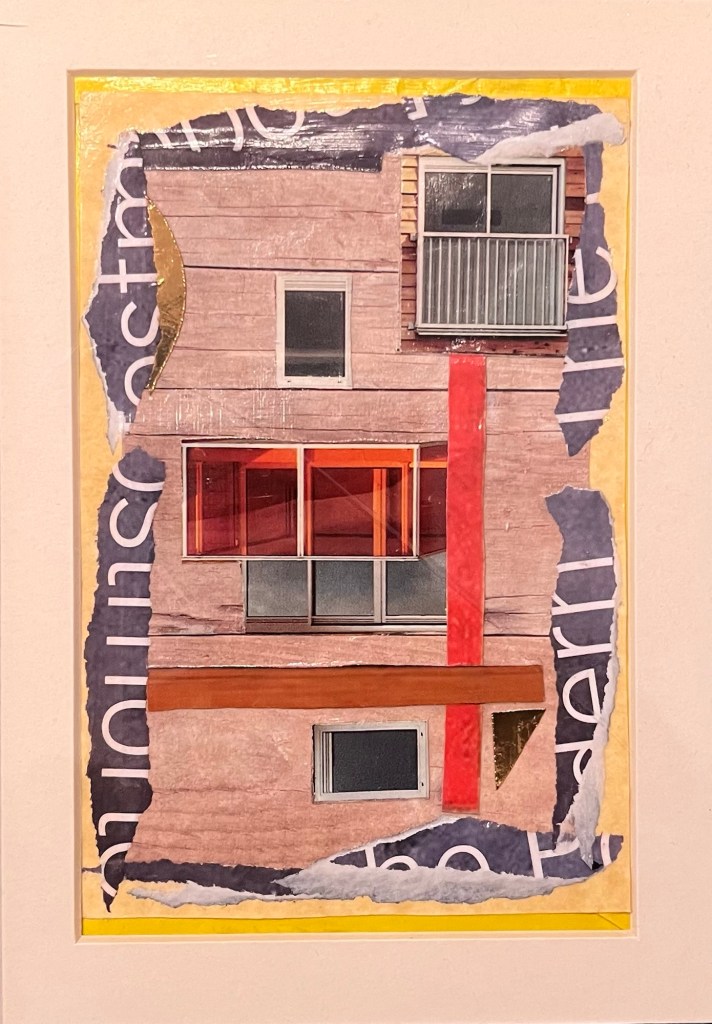
“A house may have a palpable soul if it is beautiful in some ways, has a personality and presence, has a visible history, shows interest beyond functionality, and has a degree of complexity. You can love such a house and miss it when you’re away or if it’s torn. This kind of love is a sign that soul is present.”
By Thomas Moore Care of the Soul
“Ce n’est donc plus aux hommes que je m’adresse ; c’est à toi, Dieu de tous les êtres, de tous les mondes et de tous les temps : s’il est permis à de faibles créatures perdues dans l’immensité, et imperceptibles au reste de l’univers, d’oser te demander quelque chose, à toi qui a tout donné, à toi dont les décrets sont immuables comme éternels, daigne regarder en pitié les erreurs attachées à notre nature ; que ces erreurs ne fassent point nos calamités.
Tu ne nous as point donné un cœur pour nous haïr, et des mains pour nous égorger ; fais que nous nous aidions mutuellement à supporter le fardeau d’une vie pénible et passagère ; que les petites différences entre les vêtements qui couvrent nos débiles corps, entre tous nos langages insuffisants, entre tous nos usages ridicules, entre toutes nos lois imparfaites, entre toutes nos opinions insensées, entre toutes nos conditions si disproportionnées à nos yeux, et si égales devant toi ; que toutes ces petites nuances qui distinguent les atomes appelés hommes ne soient pas des signaux de haine et de persécution ; que ceux qui allument des cierges en plein midi pour te célébrer supporte ceux qui se contentent de la lumière de ton soleil ; que ceux qui couvrent leur robe d’une toile blanche pour dire qu’il faut t’aimer ne détestent pas ceux qui disent la même chose sous un manteau de laine noire ; qu’il soit égal de t’adorer dans un jargon formé d’une ancienne langue, ou dans un jargon plus nouveau ; que ceux dont l’habit est teint en rouge ou en violet, qui dominent sur une petite parcelle d’un petit tas de boue de ce monde, et qui possèdent quelques fragments arrondis d’un certain métal, jouissent sans orgueil de ce qu’ils appellent grandeur et richesse, et que les autres les voient sans envie : car tu sais qu’il n’y a dans ces vanités ni envier, ni de quoi s’enorgueillir.
Puissent tous les hommes se souvenir qu’ils sont frères ! Qu’ils aient en horreur la tyrannie exercée sur les âmes, comme ils ont en exécration le brigandage qui ravit par la force le fruit du travail et de l’industrie paisible ! Si les fléaux de la guerre sont inévitables, ne nous haïssons pas, ne nous déchirons pas les uns les autres dans le sein de la paix, et employons l’instant de notre existence à bénir également en mille langages divers, depuis Siam jusqu’à la Californie, ta bonté qui nous a donné cet instant.

Prayer to God by Voltaire
“It is no longer to people that I speak; it is to you, God of all beings, of all worlds, and of all times: if we feeble creatures, lost in the immensity of the universe, and invisible to the rest of it, are allowed to ask anything of you, you who have given everything and whose decrees are as unchanging as they are eternal, then may you deign to have pity on the errors inherent in our nature; may these errors not be our undoing.
You did not give us a heart so that we could hate each other, nor hands so we could slit each other’s throats; help us to help each other endure the burden of this painful and brief life; may the tiny differences between the clothes which cover our feeble bodies, between our inadequate languages, between our ridiculous customs, between all our imperfect laws, our absurd opinions, between all our circumstances, so disproportionate in our eyes and yet so equal before yours; may all these tiny variations which differentiate the atoms called humans not be the triggers of hatred and persecution; may those who light candles at midday in adoration of you learn to tolerate those who simply bask in the light of your sun; may those who wrap a white cloth round their robes to express the command to love you not hate those who say the same thing under a coat of black wool; may it be equally acceptable to adore you in the jargon of an ancient language or of a more recent one; may those whose clothes are dyed red or violet and who rule over a small plot on a little heap of the mud of this world, and who happen to possess some rounded pieces of a certain metal, enjoy what they call greatness and riches without pride, and may others view them without envy: for you know that there is nothing to envy or boast about in these vanities.
May all men remember that they are brothers! May they abhor the tyranny wielded over souls, as they ever execrate the violent theft of the fruits of hard work and peaceful industry! If the scourge of war is inevitable, let us not hate each other, let us not tear each other apart when we are at peace. Let us spend the brief moment of our existence blessing, together and in a thousand different languages, from Siam to California, your goodness in bestowing on us this moment.
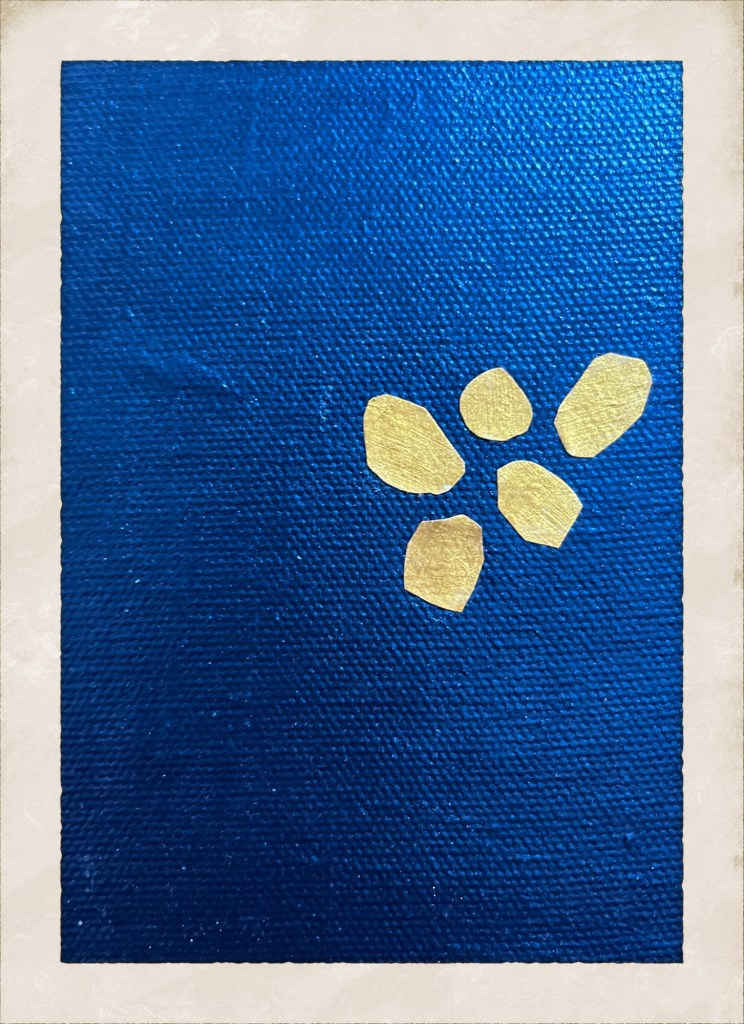
Preghiera a Dio di Voltaire
Non è più dunque agli uomini che mi rivolgo; ma a te, Dio di tutti gli esseri, di tutti i mondi, di tutti i tempi:
se è lecito che delle deboli creature, perse nell’immensità e impercettibili al resto dell’universo, osino domandare qualche cosa a te, che tutto hai donato,
a te, i cui decreti sono e immutabili e eterni, degnati di guardare con misericordia gli errori che derivano dalla nostra natura.
Fa’ sì che questi errori non generino la nostra sventura.
Tu non ci hai donato un cuore per odiarci l’un l’altro, né delle mani per sgozzarci a vicenda;
fa’ che noi ci aiutiamo vicendevolmente a sopportare il fardello di una vita penosa e passeggera.
Fa’ sì che le piccole differenze tra i vestiti che coprono i nostri deboli corpi,
tra tutte le nostre lingue inadeguate, tra tutte le nostre usanze ridicole,
tra tutte le nostre leggi imperfette, tra tutte le nostre opinioni insensate,
tra tutte le nostre convinzioni così diseguali ai nostri occhi e così uguali davanti a te,
insomma che tutte queste piccole sfumature che distinguono gli atomi chiamati “uomini” non siano altrettanti segnali di odio e di persecuzione.
Fa’ in modo che coloro che accendono ceri in pieno giorno per celebrarti sopportino coloro che si accontentano della luce del tuo sole;
che coloro che coprono i loro abiti di una tela bianca per dire che bisogna amarti, non detestino coloro che dicono la stessa cosa sotto un mantello di lana nera;
che sia uguale adorarti in un gergo nato da una lingua morta o in uno più nuovo.
Fa’ che coloro il cui abito è tinto in rosso o in violetto, che dominano su una piccola parte di un piccolo mucchio di fango di questo mondo,
e che posseggono qualche frammento arrotondato di un certo metallo, gioiscano senza inorgoglirsi di ciò che essi chiamano “grandezza” e “ricchezza”,
e che gli altri li guardino senza invidia: perché tu sai che in queste cose vane non c’è nulla da invidiare, niente di cui inorgoglirsi.
Possano tutti gli uomini ricordarsi che sono fratelli!
Abbiano in orrore la tirannia esercitata sulle anime,
come odiano il brigantaggio che strappa con la forza il frutto del lavoro e dell’attività pacifica!
Se sono inevitabili i flagelli della guerra, non odiamoci, non laceriamoci gli uni con gli altri nei periodi di pace,
ed impieghiamo il breve istante della nostra esistenza per benedire insieme in mille lingue diverse,
dal Siam alla California, la tua bontà che ci ha donato questo istante.
“How do I put together into a coherent image the pieces of my life? How do I find the basic plot of my story?”
James Hillman, The Soul’s Code

“Is that what they call vocation, what you do with joy as if you had fire in your heart, the devil in your body?
Josephine Baker

“In a time when we have more access than ever before to the traumas of this world, how will you resist the tide of despair? Let beauty be your anchor. If you find the lake view too bright, bring your gaze closer, perhaps all the way to your own flesh and blood. Life is monstrous on the threshold of apocalypse. The practice of beholding, this fidelity to beauty in all things, I’ve come to believe, is no small form of salvation.”
From Black Liturgies by Cole Arthur Riley
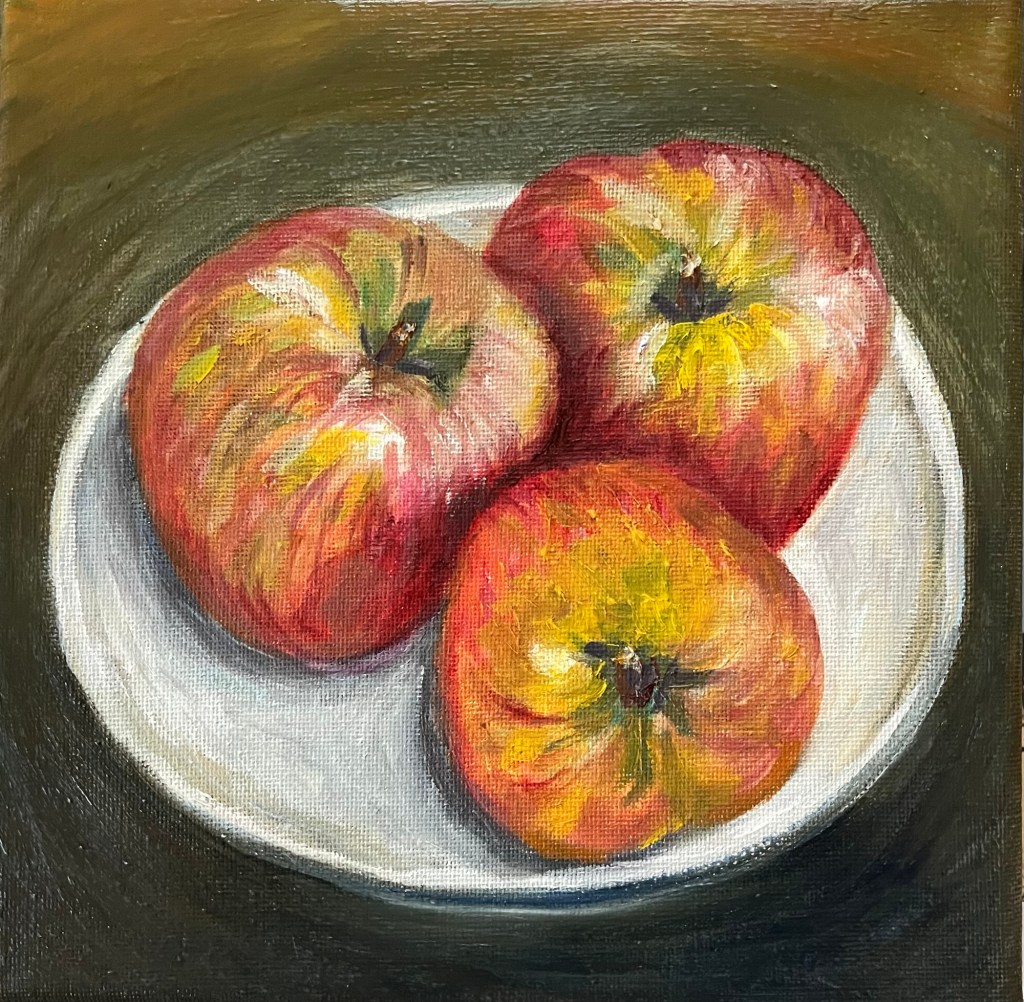
“Making art is dangerous and revealing. Making art precipitates self-doubt, stirring deep waters that lay between what you know you should be, and what you fear you might be.”
From Art & fear by D. Bayles and T. Orland

Art is all about starting again.
From Art and Fear by David Bayles & Ted Orland

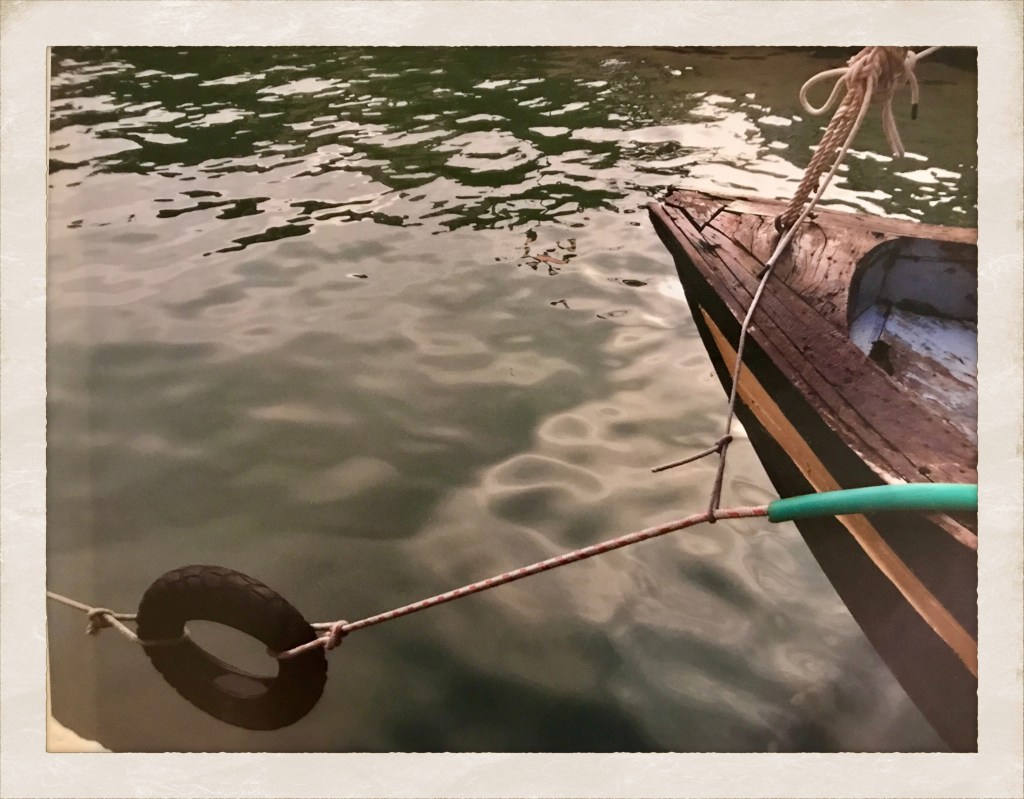
“L’uomo non è libero nella misura in cui non dipende da nulla o da nessuno: è libero nell’esatta misura in cui dipende da ciò che ama, ed è prigioniero nell’esatta misura in cui dipende da ciò che non può amare.
Così il problema della libertà non si pone in termini di indipendenza, ma in termini di amore. La potenza del nostro attaccamento determina la nostra capacità di libertà. Per terribile che sia il suo destino, colui che può amare tutto è sempre perfettamente libero, ed è in questo senso che si è parlato della libertà dei santi. All’estremo opposto, coloro che non amano nulla, hanno un bello spezzare catene e fare rivoluzioni: rimangono sempre prigionieri. Tutt’al più arrivano a cambiare schiavitù, come un malato incurabile che si rigira nel suo letto.”
“Human beings are not free in the measure in which they depend on nothing or no one: they are free in the exact measure in which they depend on what they love, and they are captive in the exact measure in which they depend on what they cannot love.
Therefore, the problem of freedom cannot be tackled in terms of independence but in terms of love. The power of our attachment determines our ability to be free. As terrible as their destiny might be, those who can love everything are perfectly free and that’s how we can talk of the freedom of the saints. On the other hand, those who love nothing, have a good amount of chains to break free from and revolutions to make: they will always remain captive. All they can do is perhaps change their bondage, like a sick person, who can turn over again and again in their bed.”
(translated from the Italian by Small Circle Big Circle)
 small circle big circle