You may write me down in history With your bitter, twisted lies, You may trod me in the very dirt But still, like dust, I’ll rise.
Does my sassiness upset you? Why are you beset with gloom? ’Cause I walk like I’ve got oil wells Pumping in my living room.
Just like moons and like suns, With the certainty of tides, Just like hopes springing high, Still I’ll rise.
Did you want to see me broken? Bowed head and lowered eyes? Shoulders falling down like teardrops, Weakened by my soulful cries?
Does my haughtiness offend you? Don’t you take it awful hard ’Cause I laugh like I’ve got gold mines Diggin’ in my own backyard.
You may shoot me with your words, You may cut me with your eyes, You may kill me with your hatefulness, But still, like air, I’ll rise.
Does my sexiness upset you? Does it come as a surprise That I dance like I’ve got diamonds At the meeting of my thighs?
Out of the huts of history’s shame I rise Up from a past that’s rooted in pain I rise I’m a black ocean, leaping and wide, Welling and swelling I bear in the tide.
Leaving behind nights of terror and fear I rise Into a daybreak that’s wondrously clear I rise Bringing the gifts that my ancestors gave, I am the dream and the hope of the slave. I rise I rise I rise.
Above all, do not lose your desire to walk. Everyday, I walk myself into a state of well-being & walk away from every illness. I have walked myself into my best thoughts, and I know of no thought so burdensome that one cannot walk away from it. But by sitting still, & the more one sits still, the closer one comes to feeling ill. Thus if one just keeps on walking, everything will be all right.
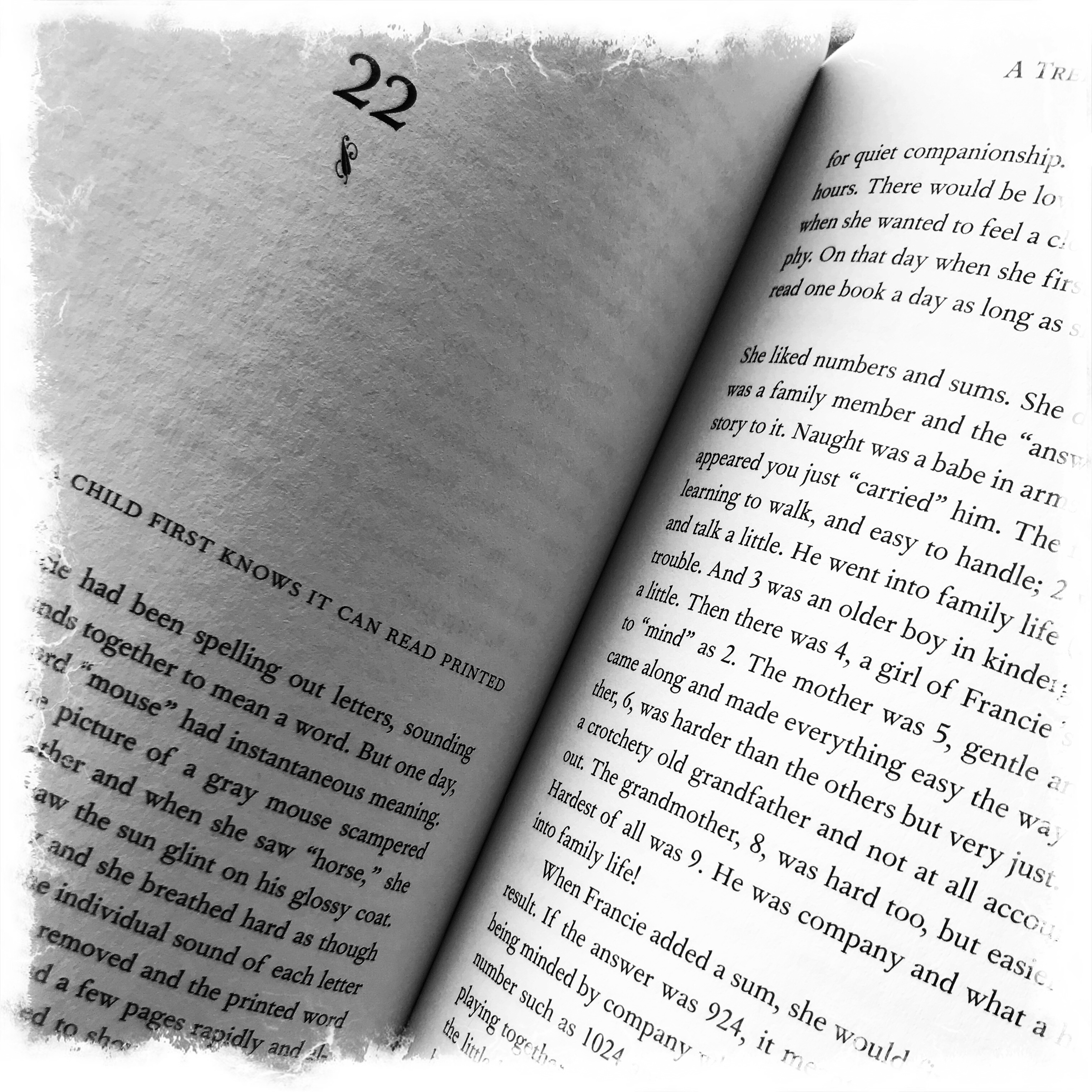
“From that time on, the world was hers for the reading. She would never be lonely again, never miss the lack of intimate friends. Books became her friends and there was one for every mood. There was poetry for quiet companionship. There was adventure when she tired of quiet hours. There would be love stories when she came into adolescence and when she wanted to feel closeness to someone she could read a biography. On that day when she first knew she could read, she made a vow to read one book a day as long as she lived.”
“Mary Rommely […] was a saint. She had no education; she could not read or write her own name, but she had in her own memory over a thousands stories and legends. Some she had invented to entertain the children; others were old folk tales told to her by her own mother and her grandmother. She knew many country songs and understood all the wise sayings.
She was intensely religious and knew the life story of every Catholic saint. She believed in ghosts and fairies and all supernatural folk. She knew all about herbs and could brew you either a medicine or a charm – provided you intended no evil with the charm. Back in the old country she had been honored for her wisdom and much sought out for her advice. She was a blameless sinless woman, yet she understood how it was with people who sinned. Inflexibly rigid in her own moral conduct, she condoned weakness in others. She revered God and loved Jesus but she understood why people often turned away from these Two.
She had been a virgin when she married and had humbly submitted to her husband’s brutal love. His brutality early killed all her latent desires. Yet she could understand the fierce love hunger that made girls-as people put it-go wrong. She understood how a boy who had been driven from the neighborhood for rape could still be a good boy at heart. She understood why people had to lie and steal and harm one another. She knew of all pitiful human weaknesses and of many cruel strengths.