If we never meet again – Tony Bennett and k.d. lang

If we never meet again
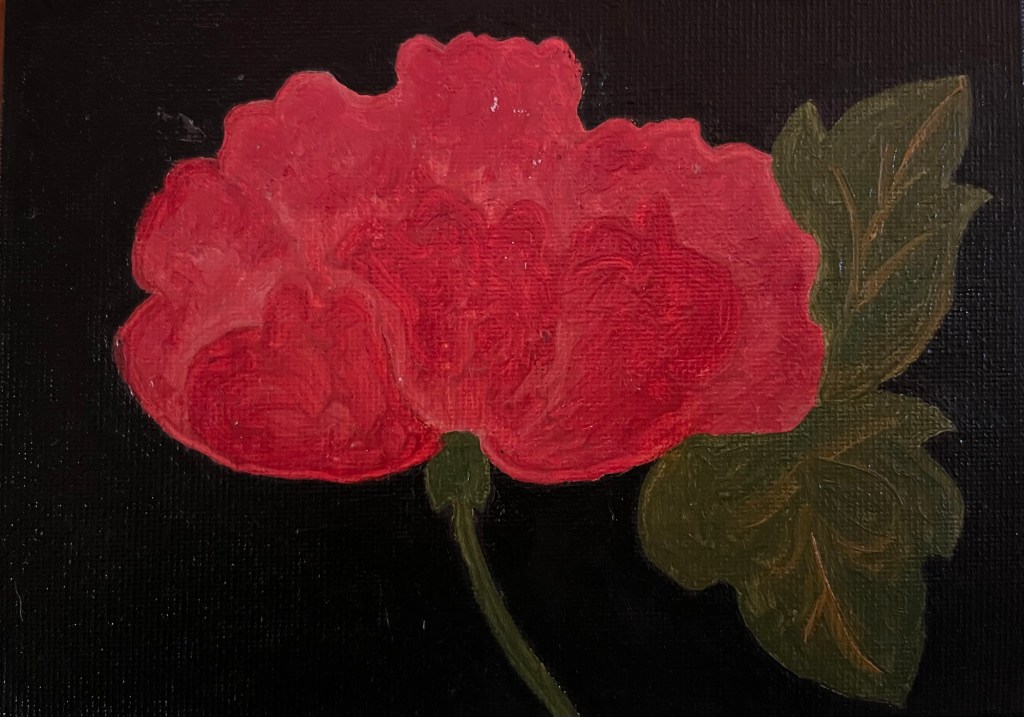
I’ll have a rose to remember
The snows of December
Will bring you back to me

If we never meet again
I’ll fall asleep in the flowers
Dream of the hours
We spent in ecstasy

The leaves in the fall
Will wreak of the beauty
I found in your eyes

The birds in the spring
When they sing
Will tell me that love never dies

If we never meet again
As sure as heaven above you
Forever I’ll love you
If we never meet again

The leaves in the fall
Will wreak of the beauty
I found in your eyes

The birds in the spring
When they sing
Will tell me that love never dies

If we never meet again
As sure as heaven above you
Forever I’ll love you
If we never meet again

If we never meet again by Tony Bennett and k.d. lang

https://youtu.be/AWRmX-OqDqo

Tacere – keeping quiet

Il dono più grande del maestro non è il dono del sapere ma quello di saper “tacere l’amore.” Questo dono è il più prezioso perché non vincola l’allievo ad alcuna obbedienza, ma lo lascia sempre libero di andarsene, di separarsi dal maestro.

Da L’ora di Lezione di Massimo Recalcati

Translation:

The greatest gift of the teacher is not the gift of knowledge but rather that of knowing how to keep their love quiet. This is the most precious gift because it doesn’t not bind the student to any form of obedience but rather it lets them free to leave, to separate themselves from the teacher.”

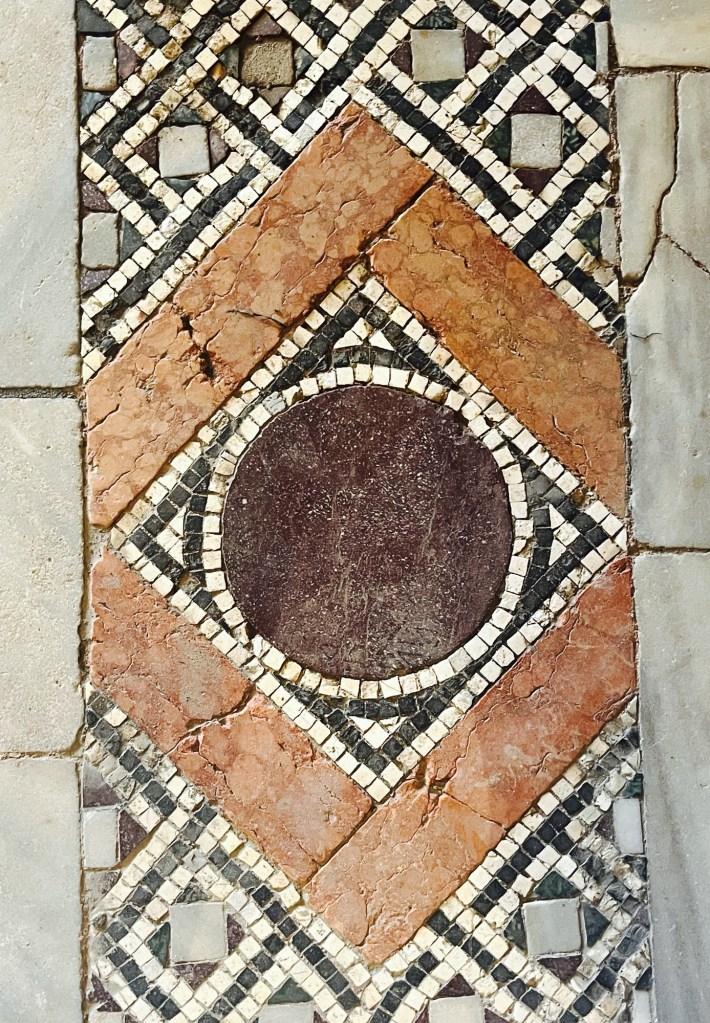
Watercolor by small circle big circle

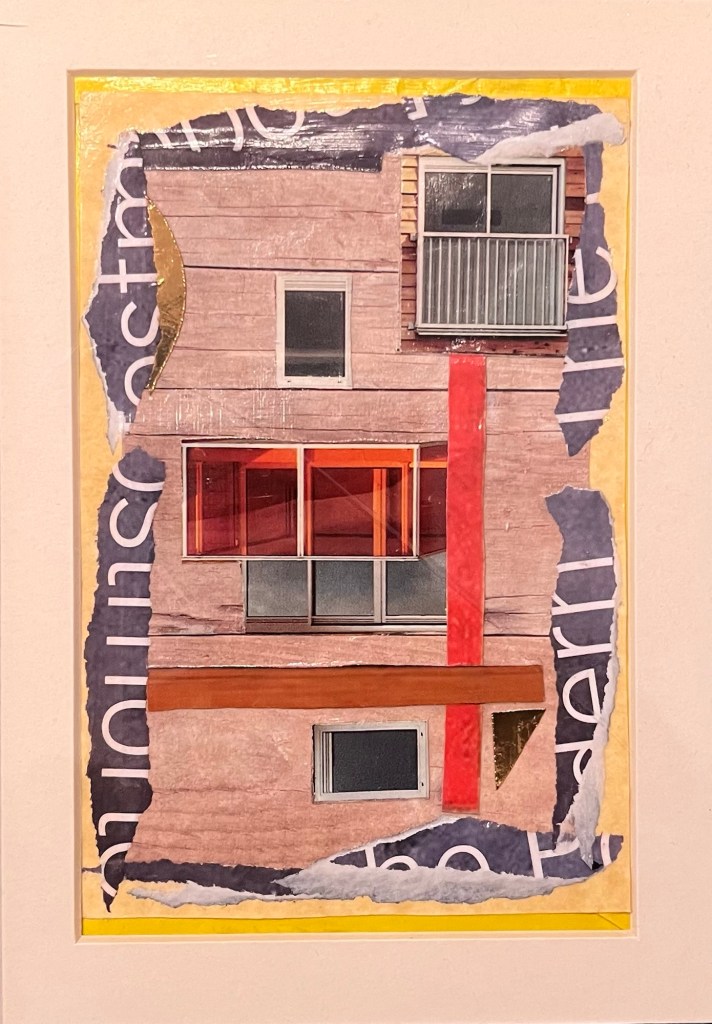
A palpable soul

Collage by Small Circle Big Circle

“A house may have a palpable soul if it is beautiful in some ways, has a personality and presence, has a visible history, shows interest beyond functionality, and has a degree of complexity. You can love such a house and miss it when you’re away or if it’s torn. This kind of love is a sign that soul is present.”

By Thomas Moore Care of the Soul

Should I be gone forever

by Small Circle Big Circle

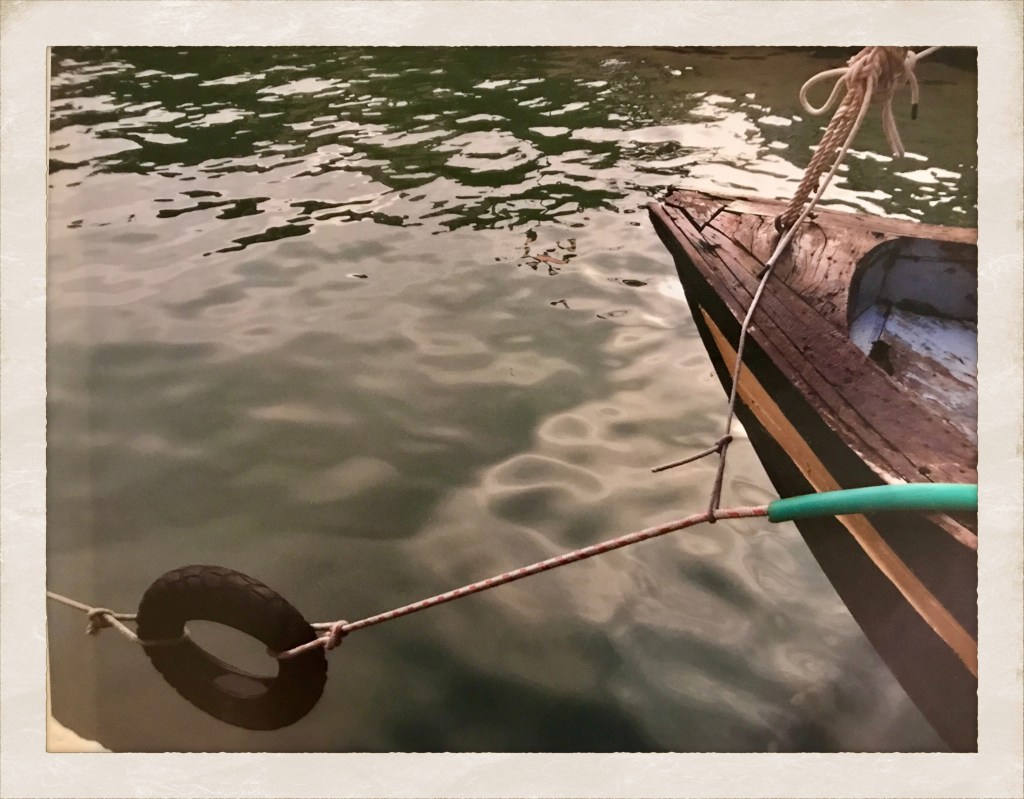
Photo by Small Circle Big Circle

Should I be gone forever,

yes, do weep for me.

But also, 

look in the mud

your little feet 

will want to step in.

Look in the grass,

in the trunks of the trees;

look in the raindrops,

in the drops of dew on the leaves.

Look in the snowflakes

that caress gently your face;

look in the sand at the beach,

in the stars up in space.

I know I’ll be there,

Please come and look for me.

Hear me in the song of the crows,

in the call of the owl;

Hear me in the sound of the waves,

in the wind, in the brook, 

in the rain, in the fire.

I know I’ll be there;

Please come and look for me.

Feel me in your heart

laughing hard, singing loud;

holding your hand,

brushing your hair,

hugging you tight;

can you see 

I am really there?

I’ll tuck you in at night.

I’ll whisper a prayer;

I’ll bake you a cake in the morning,

I will be there.

I will always be there. 

My heart in your heart 

Will forever be.

For ever and ever

You three and me.

Habits of mind

Word collage by small circle big circle

Living here

You are probably wondering

What makes habits of the mind

Last a lifetime:

LOVE,

Support all creatures great and small,

collaboration and community,

history,

culture,

local music.

You get one mind.

Feed it well.

Use it for good.

Spring comes.

La libertà – Gustave Thibon

Photo by Small Circle Big Circle

“L’uomo non è libero nella misura in cui non dipende da nulla o da nessuno: è libero nell’esatta misura in cui dipende da ciò che ama, ed è prigioniero nell’esatta misura in cui dipende da ciò che non può amare.

Così il problema della libertà non si pone in termini di indipendenza, ma in termini di amore. La potenza del nostro attaccamento determina la nostra capacità di libertà. Per terribile che sia il suo destino, colui che può amare tutto è sempre perfettamente libero, ed è in questo senso che si è parlato della libertà dei santi. All’estremo opposto, coloro che non amano nulla, hanno un bello spezzare catene e fare rivoluzioni: rimangono sempre prigionieri. Tutt’al più arrivano a cambiare schiavitù, come un malato incurabile che si rigira nel suo letto.”

“Human beings are not free in the measure in which they depend on nothing or no one: they are free in the exact measure in which they depend on what they love, and they are captive in the exact measure in which they depend on what they cannot love.

Therefore, the problem of freedom cannot be tackled in terms of independence but in terms of love. The power of our attachment determines our ability to be free. As terrible as their destiny might be, those who can love everything are perfectly free and that’s how we can talk of the freedom of the saints. On the other hand, those who love nothing, have a good amount of chains to break free from and revolutions to make: they will always remain captive. All they can do is perhaps change their bondage, like a sick person, who can turn over again and again in their bed.”

(translated from the Italian by Small Circle Big Circle)

Unselfish work

Unselfish work leads to silence, for when you work selflessly, you don’t need to ask for help. Indifferent to results, you are willing to work with the most inadequate means. You do not care to be much gifted and well equipped. Nor do you ask for recognition and assistance. You just do what needs to be done, leaving success and failure to the unknown. For everything is caused by innumerable factors, of which your personal endeavor is but one. Yet such is the magic of man’s mind and heart that the most improbable happens when human will and love pull together.
I Am That By Sri Nisargadatta Maharaj

Photo by Small Circle Big Circle

be alone by Charles Bukowski

when you think about how often
it all goes wrong
again and again
you begin to look at the walls
and yearn to stay inside
because the streets are the
same old movie
and the heroes all end up like
old movie heroes:
fat ass, fat face and the brain
of a lizard.

it’s no wonder that
a wise man will
climb a 10,000 foot mountain
and sit there waiting
living off of berry bush leaves
rather than bet it all on two dimpled knees
that surely won’t last a lifetime
and 2 times out of 3
won’t remain even for one long night.

mountains are hard to climb.
thus the walls are your friends.
learn your walls.

what they have given us out there
in the streets
is something that even children
get tired of.

stay within your walls.
they are the truest love.

build where few others build.
it’s the last way left.

– Charles Bukowski

Photo by Small Circle Big Circle